The Dark Side of the Helper
mark tanaka
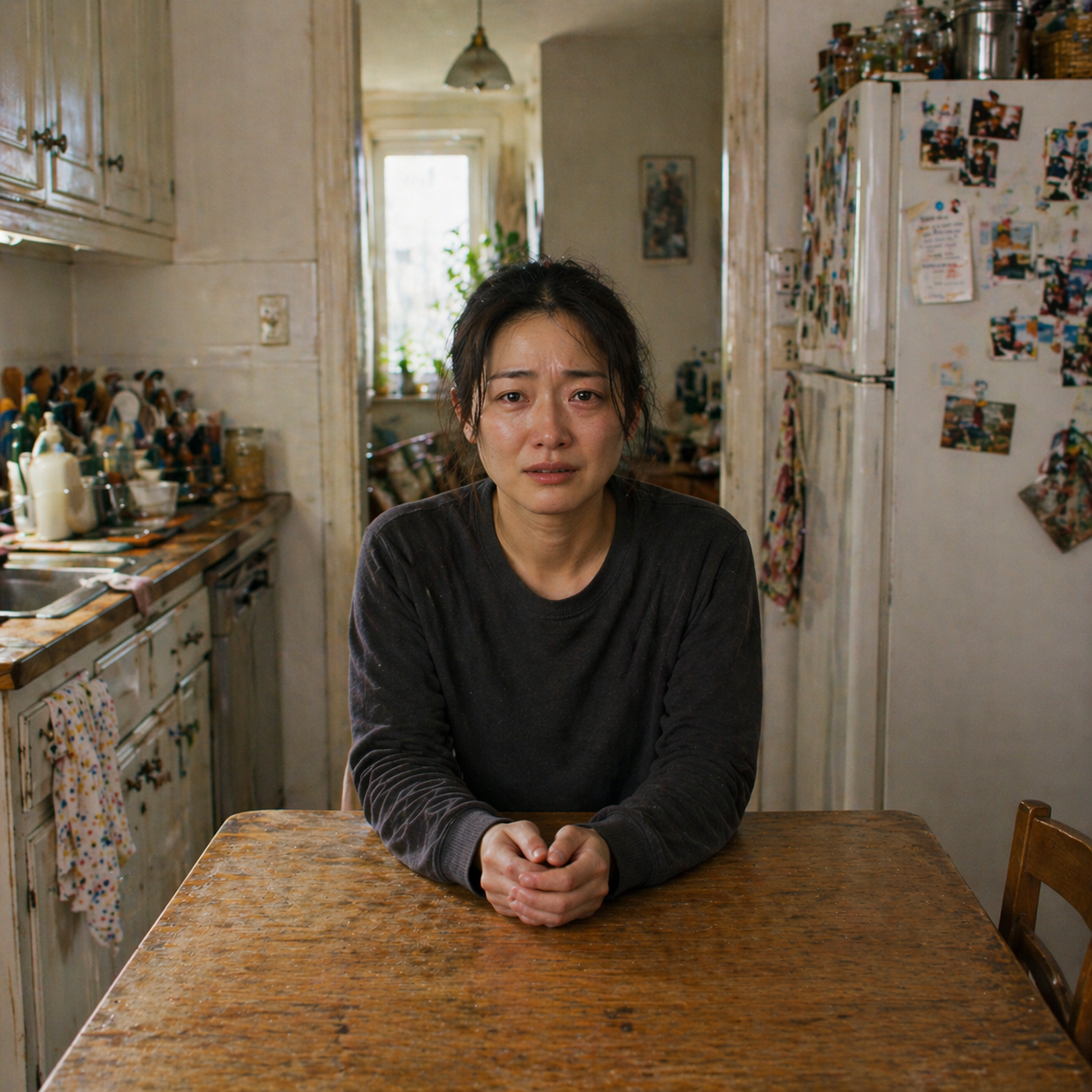
People talk about our shadows. But one of the biggest shadows is the dark side of the HELPER.
We rarely talk about the shadow side of the helper, the healer, the savior — the one who's always there, always caring, always showing up for everyone. Sound familiar to anyone?
I've run these versions for most of my life.
And I want to be honest about something: I'm not actually a saint. I'm damn selfish at times. I can be irritable, sharp, inconsiderate in ways that surprise people sometimes. Basically, I'm human, with the full range that comes with it.
But the more I identified with being a helper - a healer, a teacher, a spiritual person, a light in the world — the more I built an entire identity around kindness, compassion, and heart-centeredness. It started in college when I got into spirituality and the healing arts, and I kept rolling with it.
What I didn't see for a long time was what was actually driving it.
And after years of suffering the various repercussions - burnout, exhaustion, resentment, constantly being stuck in a role I didn’t want to be in, being taken for granted, overworking and overextending myself, never quite getting my needs met, I started questioning and listening to what people have been telling me for a long time…. Wake up and see how the roles you are playing are feeding into your isolation, exhaustion and the experience of feeling unmet….
Here’s what I discovered :
1. It was transactional. I was trying to win love and connection through being caring. I thought I was giving freely. I wasn't. There was an underlying strategy there in the shadows.
2. I was managing my own discomfort. When people I loved were suffering, I couldn't tolerate it. So I rushed in to fix things. I told myself it was for them. A lot of it was for me.
3. I liked feeling needed. Importance is a drug. Being the one people turn to, felt like proof of value. I didn't examine that for years. Some part of me felt like I needed to be useful to be loved and connected.
4. I was afraid of what would happen if I stopped. Deep down, I believed that if I wasn't helpful, caring, and good — I would lose the connection. Maybe the person. So I kept giving to keep the door open.
5. I felt responsible for people's wellbeing in ways that weren't mine to carry. Especially with primary partners. That pattern had roots well before any romantic relationship — in a childhood where I learned that someone close to me needed protecting, and I appointed myself the one to do it.
6. Not helping felt like being bad. There was real shame attached to saying no, to having limits, to not showing up the way someone needed. I had fused "loving someone" with "being endlessly available to them." They're not the same thing.
7. Underneath the care was terror. Not just discomfort. Terror. The people I loved had to be okay, because if they weren't, something in me came undone. The saving wasn't nobility. It was me managing a terrified little child that thought he would die if they weren’t ok.
8. It was easier to meet other people's needs than to feel my own. I had so much old wounding around my needs not being met that dissociating from them became a kind of survival strategy. If I focused on giving, I didn't have to sit with the grief of not receiving.
9. Meeting and caring for other people gave me control over my experience of love and connection. If I waited to be loved, I was vulnerable. I could choose when I can feel connection and love by ME giving. I could engineer connection rather than risk asking for it.
10. My helping was actually harming. This one took the longest to see. My overgiving, caring, saving actually disempowered the people I cared about and enabled patterns and habits that would in the long term prolong their suffering. And it quietly communicated: I don't think you can handle this without me. Dressed up as love, it was a form of control. And it robbed people of the chance to find their own ground.
11. The helper role kept me above the wound. Being the teacher, the healer, the one with resources to give — that position has a hidden benefit. You never have to be the one on the floor. You never have to be that vulnerable. I used the role to stay elevated, and elevation kept me from having to feel the depth of my own unmet grief, to have to be exposed in my need and to have to reach for help or receive it - terrifying.
12. It was an attempt to bring order to chaos. My sensitive heart encountered a world — and an early life — that felt grim, unpredictable, and frightening. Becoming the good one, the helpful one, the one who made things better: it was a way of asserting that goodness was possible in this world.
To be clear, this is not to make me or anyone bad or wrong for doing these things. These strategies and patterns are surprisingly common. Maybe 75-80% of my clients had some form of these above strategies running their lives. None of this means the helping wasn't real. It was. The care was genuine. The love was genuine… and it was more complicated than that.
I read a quote somewhere that said “The life of a caretaker is as addictive as an alcoholic.” We get intoxicated by the connection, relief or usefulness we feel when we meet the needs of another.
When these deeper attachment needs, fears and traumas are running these behaviors, we often get stuck in these identities and patterns. It can be very difficult to shift them because the underlying motives are hidden under layers. There is a deep nervous system dysregulation pattern that needs uncovering and loving support to transition out of the pattern.
I’ve ironically found that this pattern, more than other patterns, needs support from others to help shift out of. It’s perfect though if you think about it.
We need to learn to love and support ourselves the way we support others. And we need to learn to RECEIVE that same love and support from others that we give others to heal.
Are you struggling to shift this pattern in your life? If this resonates let me know. I’m forming a small group of people who want to support each other around this pattern.